
Compact & Reliable Cooling for Critical Environments
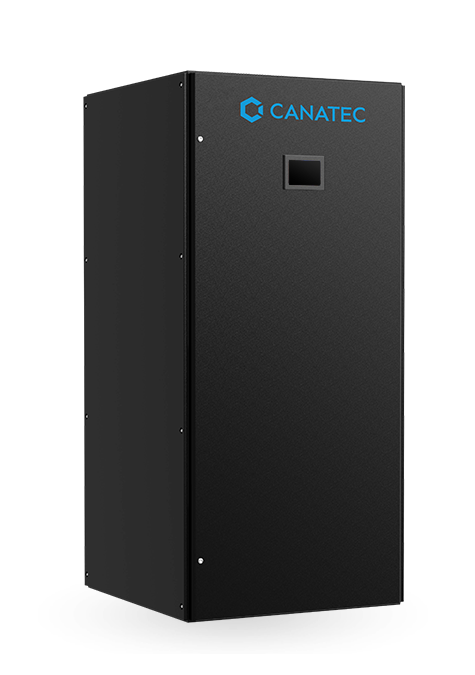
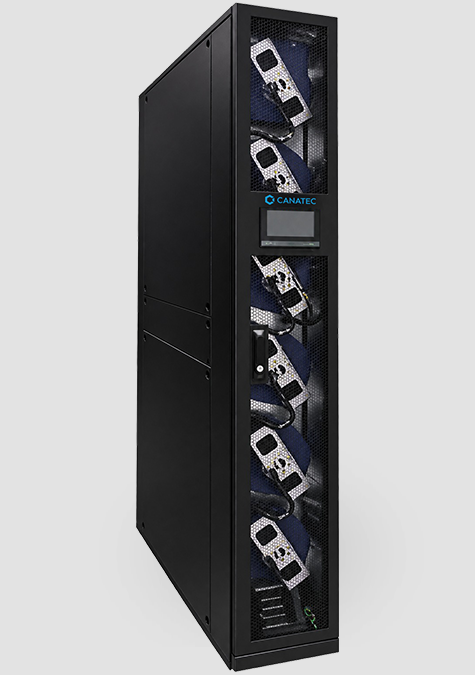
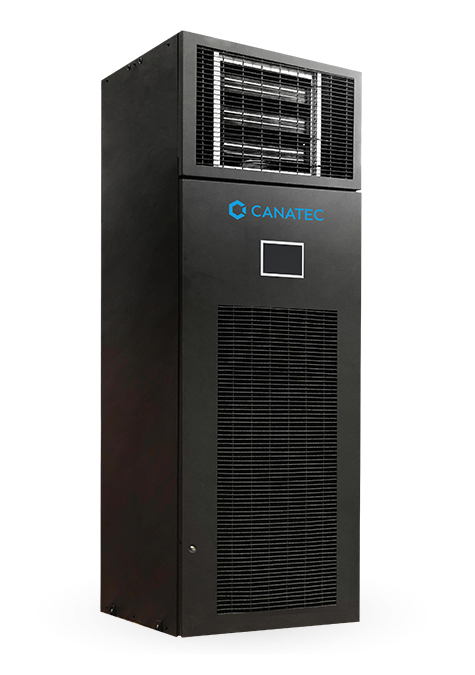
Our CRAC (Computer Room Air Conditioning) units are designed to maintain precise temperature and humidity control in data centres. These air-cooled precision cooling systems use compressor-based refrigeration to remove heat and help maintain stable conditions for reliable equipment performance.
CRAC units can support high-density heat loads while contributing to energy efficiency, operational stability and integration with building management systems. For facilities connected to a centralised chilled water system, CRAH units use chilled-water piping and coils instead of an internal compressor-based refrigeration circuit.
Frequently Asked Questions About CRAC Units
A CRAC unit, or Computer Room Air Conditioning unit, is an air-cooled precision cooling system designed for data centres and other critical IT environments. It uses compressor-based refrigeration to help regulate temperature, humidity and airflow so that servers and other equipment can operate within stable environmental conditions.
A CRAC unit uses a compressor-based refrigeration cycle to remove heat from the room and circulate conditioned air back into the space. Refrigerant absorbs heat from the indoor air and transfers it away from the data centre environment, helping maintain the required operating conditions.
A CRAC unit is air-cooled and uses a compressor-based refrigeration system. CRAH and Fan Wall systems use chilled water supplied through a centralised chilled water system, with chilled-water piping carrying cooling water to the units. Fan Wall Units are generally higher-capacity CRAH systems designed to move larger volumes of air. Read our CRAC Unit vs Fan Wall Systems guide for a closer comparison.
CRAC units are commonly installed in data centres, server rooms, telecommunications facilities, laboratories and other environments where temperature and humidity must be controlled precisely. A cooling solution provider in Singapore can assess the site conditions and recommend a configuration suited to the facility.
Maintenance frequency depends on operating conditions, equipment design and manufacturer recommendations. Routine maintenance services may include inspecting filters, coils, fans, refrigerant circuits, compressors, electrical components, sensors and control settings to identify issues before they affect cooling performance.
The selection should consider heat load, redundancy requirements, airflow layout, available floor space, energy targets and integration with existing systems. For help evaluating the right setup, contact us to discuss your facility requirements with Canatec.